

Hello and welcome back to The Valleys Lead.
For six weeks over the summer, a wildfire tore across Blaenavon, destroying hundreds of acres of grazing land. It left a south Wales valleys farmer watching helplessly as his livestock and livelihood were put at risk. A resident in Merthyr Tydfil recalled seeing once-green hills transformed into scorched, blackened landscapes. Now, as farmers and communities begin to assess the long-term damage, they are calling for greater action on wildfire prevention, land management and protecting the valleys from future fires.
The second part of our series on the impacts of the summer of wildfires in the south Wales valleys is here.
The story is below - but just quickly - we’d love you to support The Valleys Lead.
There isn’t another publication doing what we are in the south Wales valleys - covering stories from all these valleys, going behind the headlines to report on stories that matter to locals, asking questions of people in power, and speaking with real people in the valleys about their opinions and experiences.
This kind of journalism takes time and effort, and we’d love your support to keep reporting about stories that need to be heard.
You can support us by simply subscribing via free and paid options. You’ll get to read two newsletters a week from us. Each edition has three very brief news updates from the south Wales valleys, and a slightly longer-length story.
Simply type your email and that’s done! Or email laurencrosbymedlicott@gmail.com and she’ll get you subscribed.
We also always want to hear what is happening in your valley, your town, your village (seriously! no story is too small). Please email laurencrosbymedlicott@gmail.com with anything you feel we should cover.
The Valleys Briefing
(A little round-up of some stories in brief from our valleys. Anytime you have something you’d like to share, no matter how big or small, email laurencrosbymedlicott@gmail.com):
Caerphilly County Borough Council’s Cabinet will consider proposals this week to create a new Welsh secondary school in the Borough, as part of plans to meet growing demand for Welsh-medium education. The proposal would see a new Welsh secondary school established on the Y Gwyndy site in Caerphilly from September 2027. The Y Gwyndy campus is currently used as a satellite site of Ysgol Gyfun Cwm Rhymni. However, the split-site arrangement presents several operational and organisational challenges, and the proposal would discontinue this arrangement and establish a separate school at the site. Demand for Welsh-medium education continues to grow across the county borough, with pupil numbers increasing. At present, Ysgol Gyfun Cwm Rhymni is the only Welsh-medium secondary school serving Caerphilly County Borough.
Merthyr Tydfil County Borough Council has revealed its long-term plan to transform adult accommodation-based care and support across Merthyr Tydfil which could cost tens of millions of pounds. An adult social care accommodation strategy covering 2026-2040 has been drawn up in response to driving demand, increasing complexity of need, and unsustainable pressure on current services. It will cover support for older people, adults with learning disabilities, people experiencing mental health and substance abuse challengs, people with physical or sensory impairments, and young people transitioning to children’s services. The strategy will cost between £53.8m and £88.4m in capital investment over the strategy.
Waiting times for installing housing adaptions to allow people to stay at home in Rhondda Cynon Taf are currently around nine months. The Council currently does not have a delivery plan to address this. An Audit Wales report said that adaptions - such as installing ramps and grab rails, adding a stairlift or wheelchair lift, fitting a level access shower or shower seat, and widening doorways for wheelchair access - may prevent falls and admissions to care settings and save public money.
“There was nothing I could do”: Farmer recalls watching his sheep caught in Blaenavon wildfire
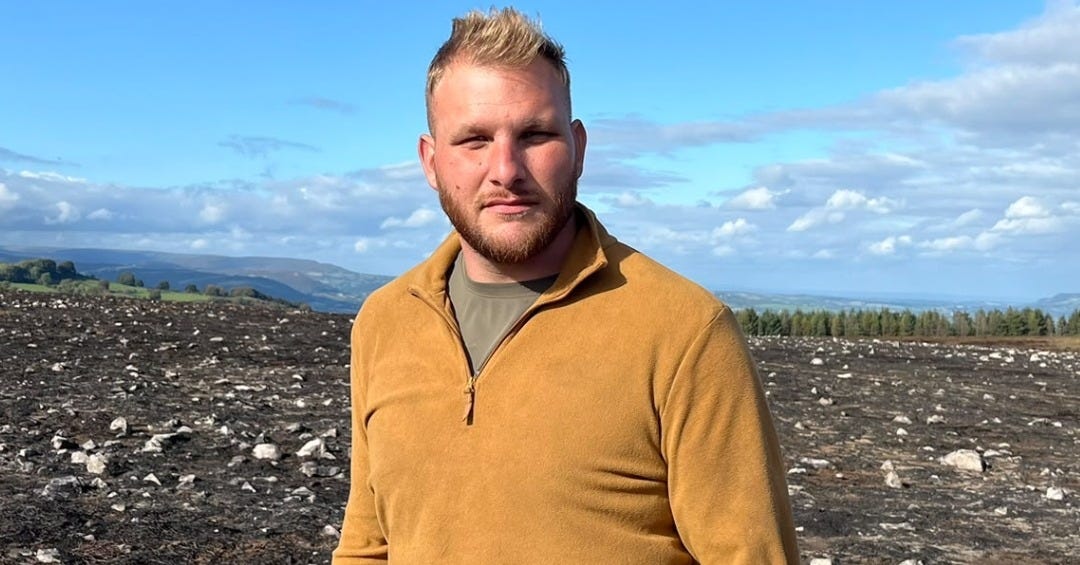
It was July 19 when James Bourne’s mum called to tell him that a fire had just started near her farm, on the opposite side of the valley from where James lives.
“At that point the fire wasn’t huge, but the dry conditions and amount of vegetation on the mountain meant it quickly had the potential to spread,” James, a 34-year-old farmer from Abersychan, told The Valleys Lead.
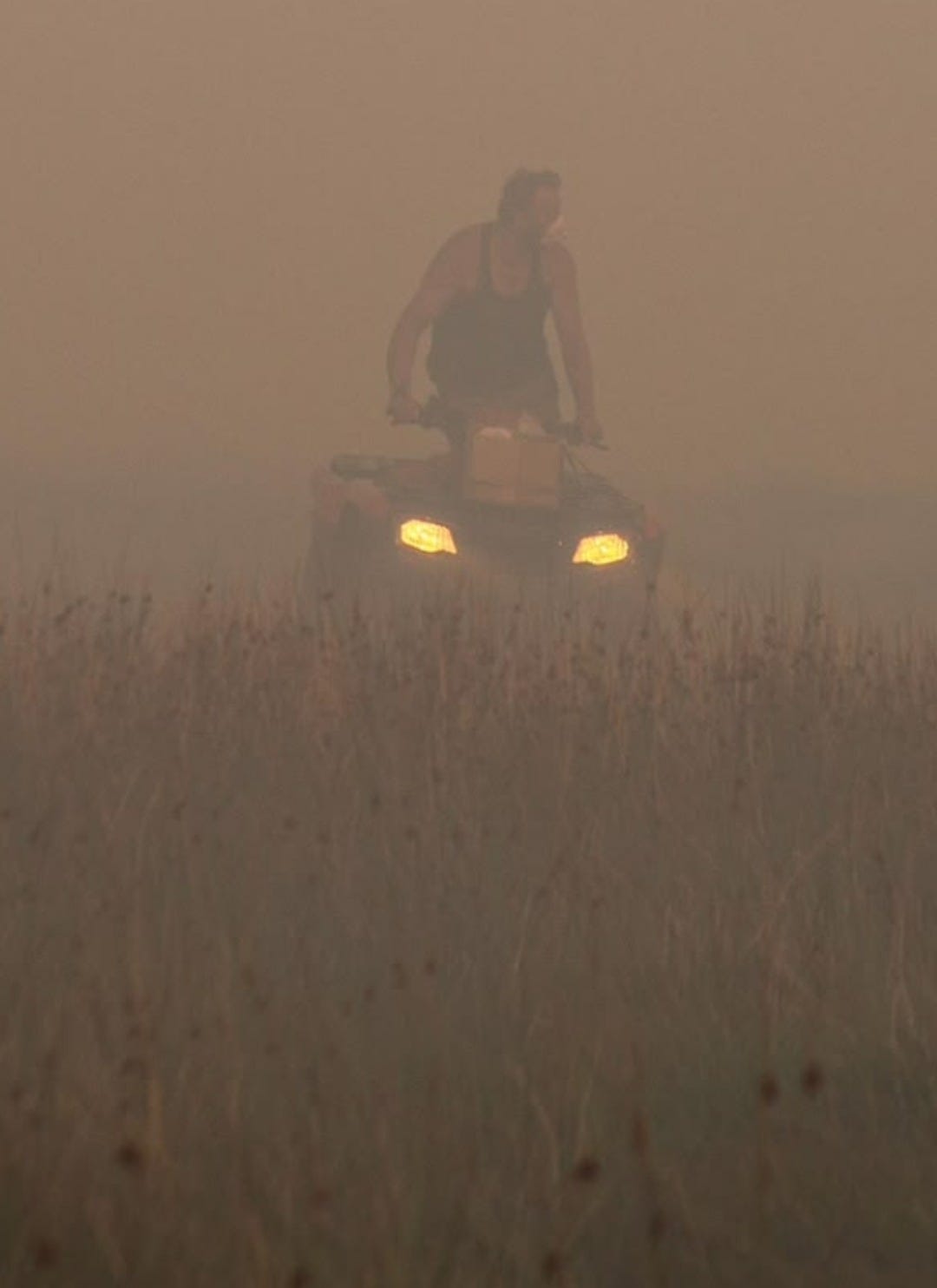
James runs a sheep farming enterprise of around 500 ewes and has most recently grazed his sheep on Blorenge Common. He grew up farming on the hills around Blaenavon and Abersychan, with his flock hefted to the land for more than 100 years.
“The sheep have a strong natural attachment to the area and instinctively know the mountain,” he said. “The Blorenge Common is a vital part of my farming system, providing grazing for livestock while also helping to maintain the landscape and habitat through active grazing.
“The common is not only important to my farm, but also to the wildlife, heritage and future of farming in the area.”
After speaking with his mum, James went to see the fire for himself. As he watched it spread, he became increasingly concerned about his livestock, the grazing land they depend on, and the wildlife and habitats that had existed on the mountain for generations.
The fire that started on July 19 burned for another six weeks.
“It was incredibly difficult to watch,” he said. “Every day more land was being damaged, and more grazing was being lost. I felt frustrated because I could see the damage being done but there was very little I could do to stop it.”
For nearly six weeks, James spent day and night helping other local farmers create firebreaks in an effort to prevent the fire from spreading further.
“Seeing hundreds of acres reduced to ash was heartbreaking,” he said. “It is hard to put into words how it feels to watch land that has been farmed and cared for over generations disappear in a matter of days.”
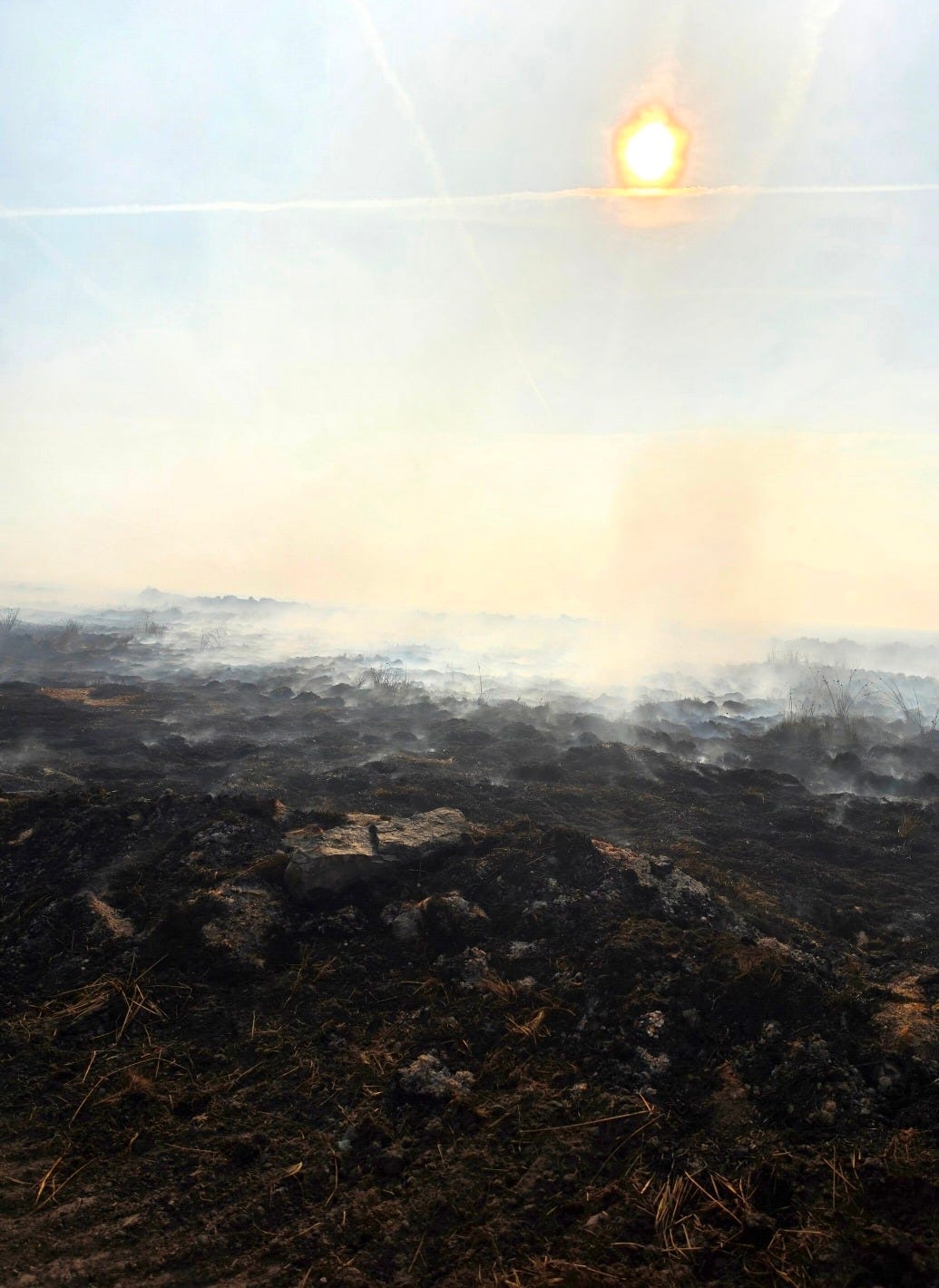
Even after the fire appeared to have died down, James said parts of the mountain were still smouldering eight weeks later.
The impact has been devastating, he said.
“Large areas of grazing land on the Blorenge were destroyed and the landscape was left blackened,” he continued. “Wildlife habitat was lost and my livestock were put under enormous pressure.
“I have lost grazing land, there is damage to peat and habitats, and there are concerns about erosion and future flooding. The common is behind in its recovery and I now face uncertainty about grazing and winter feed supplies.
“The recovery of the mountain will take years, not months, and the consequences for my farming business will continue well beyond this year.”
Among the most distressing experiences for James was seeing his own sheep caught in the flames.
“One of the most distressing things I witnessed was seeing my own sheep caught in the fire and burning in the flames. There was nothing I could do to save them. It is something I will never forget.”
James has also lost sheep to pneumonia following smoke inhalation.
“The vets have advised me not to gather the sheep or put them under unnecessary stress because, on top of the health problems they are already suffering, the additional stress could potentially kill them,” he said.
With the common an essential part of his farming business, the loss of grazing land will put additional pressure on the farm and increase costs at a time when farming is already challenging.
“I am also concerned that the health problems caused by the fire and smoke are likely to affect the fertility of my ewes this year,” he said.
“This will mean my lambing percentage is lower than in a normal year, which will have a knock-on effect on my farm income and will affect the number of sheep I will have to retain in the flock and the number I will have available to sell, compared with previous years.”
Meanwhile, in Merthyr Tydfil…
In Heolgerrig, Merthyr Tydfil, retired aerospace engineer Steven Stokes told The Valleys Lead about a fire near his home over the summer.
He first realised something was wrong when he saw a fire engine making its way down the lane outside his house.
