


Hello and welcome to The Valleys Lead.
Thanks for joining us again this week. It’s nearly been a month since we launched The Valleys Lead and we’re so grateful for your support - thanks for reading, for sharing, for commenting, and for subscribing. We are hoping to continue to build, and you would be doing local journalism a massive favour by sharing these newsletters on your social media feeds, or just sending them to people you think might be interested. And if you haven’t subscribed yet, please do so below - it’s free!
This week, I’m bringing you three interviews with female politicians in the south Wales valleys speaking about their personal experiences of online bullying and harassment. This is a vital conversation, because we need women in politics. But could the intense, personal, misogynistic, and violent bullying female politicians receive online put women off from entering politics?
Let’s ask that question together (see below).
If you want to support The Valleys Lead, it’s free to subscribe. Paid subscribers get a bit more for only £4.99 a month, or £49 a year.
We’d love to you subscribe. Simply share your email to receive newsletters from us twice a week.
Thanks for reading, and thanks to everyone who has been in touch thus far with story tips. Rest assured, if you come to me with a story, discretion can be guaranteed. Get in touch at valleys@thelead.uk or via Bluesky or Instagram.
For now, all the newsletters are free, but soon enough, some of our exclusive reporting will be only for subscribers.
The Valleys Lead is in-depth, independent reporting where you live. Support what we do with a paid subscription.
It’s also free to share. And it would be a hugely appreciated if you did share The Valleys Lead with all your friends, acquaintances, and colleagues. Thank you!
The Valleys Briefing
(A little round-up of some stories in brief from our valleys.)
A Freedom of Information request discovered that one home in Caerphilly had been empty for almost three years while officers at the Labour-run council decides what to do with it. The council has said that one-bed properties were vacant for an average of 11.28 weeks, two bedrooms for 13.7 weeks and three-bedded for 18 weeks. But one home has been empty since April 2023. Lindsay Whittle, a former housing manager, and now Plaid Cymru MS added: “The situation with empty homes is absolutely scandalous and really there needs to be a Welsh Government inquiry across Wales. People are living in B&Bs and hotels waiting for homes to be allocated and the cost of that is, in itself, scandalous.”
Big Pit, Wales’ historic coal mining museum, is turning its back on fossil fuels in favour of decarbonisation. Big Pit in Blaenavon became a mining museum in the early 1980s after it closed as a working mine at the start of the decade, with the loss of 250 jobs. Despite Big Pit having supplied millions of tonnes of coal over some 200 years the museum that showcases the history of extracting the mineral often referred to as “black gold”, and its social and cultural impact, is moving away from the fuel that powered Blaenavon and the world.
National Museum Wales, which owns and runs the open-air attraction and deep mine museum, is installing air source heat pumps as an alternative, and green, power supply. Five pumps will be installed at the back of an existing conservation workshop building at the museum.
An appeal has been submitted to the Welsh Government over rejected proposals to develop a house in multiple occupation (HMO) on a street in Neath.
The plans to turn a residential property near Neath town centre into a HMO were rejected by Neath Port Talbot Council at a planning meeting in November 2025, where more than a dozen local residents were in attendance.
If approved they would have seen a four-bedroom property in Ena Avenue turned into a shared property for six people with internal alterations and the construction of a rear dormer extension.
“Women must not be silenced in politics.”
Five years ago, Charlotte Bishop was elected to her local council to represent Plaid Cymru for Aber Valley, in Caerphilly. Before her election, she’d generally kept a “low profile.”
“I’ve never been one of those people that wanted to be famous,” Bishop told The Valleys Lead.
Bishop can’t remember any instances of bullying for the first four years standing as a councillor, but something shifted in the summer of 2025, when she became a target for online bullying.
It started with “really small things,” liking people commenting about her grey hair. Then people started to call her out as a “traitor to Wales” because she and her party support the Nation of Sanctuary policy.
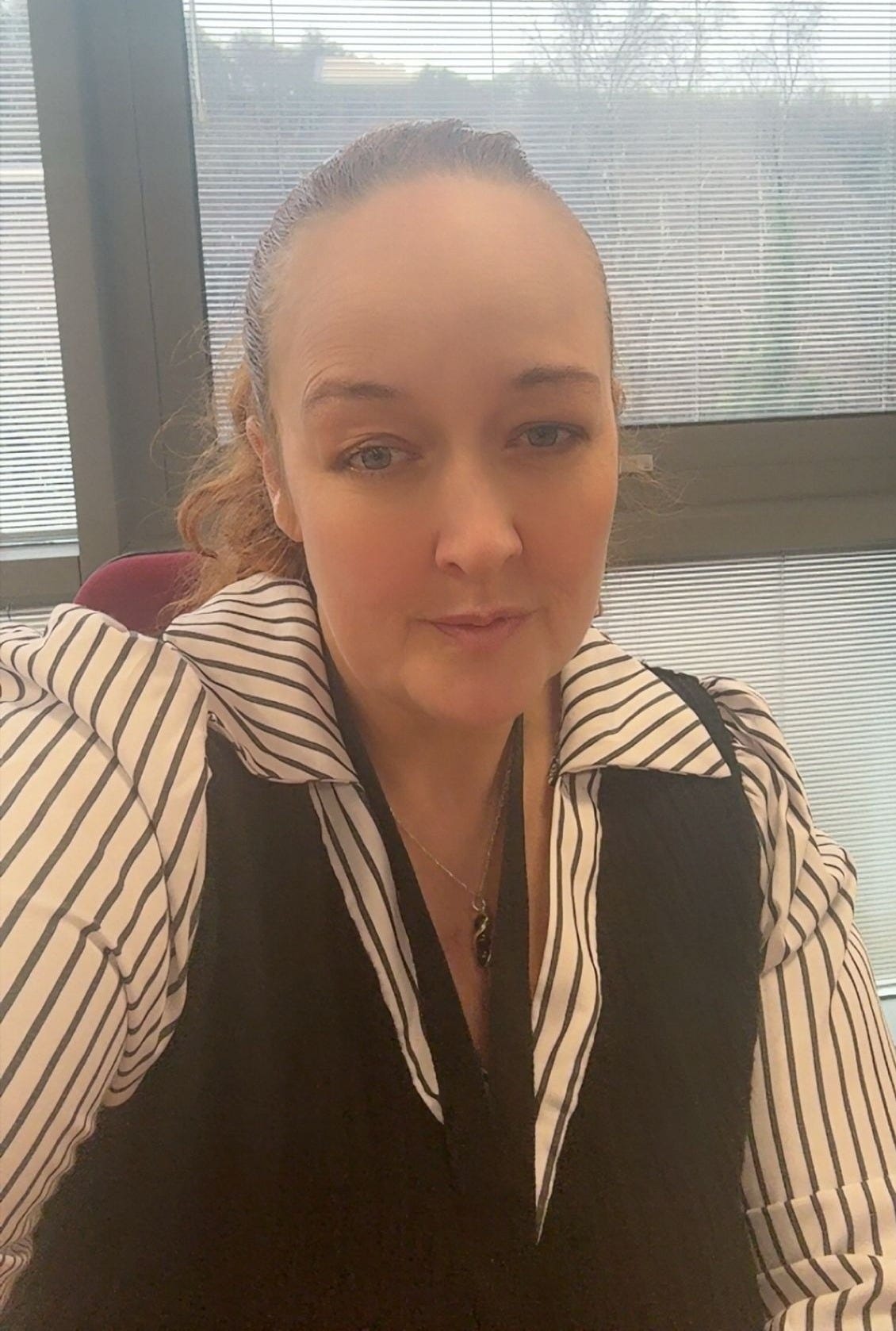
“And then when the flags started to go up,” she said, recounting #OperationRaisetheColours, a movement reportedly started by far-right activists, last summer. “The attacks started to get really personal.”
Look at the state of her. What accent is that? Look how fat she is. You’re in it for the money.
All comments and messages she received via social media.
“And then it got really bad during the by-election,” she said.
Caerphilly’s by-election in October last year was historic, as Labour suffered its first parliamentary defeat in Caerphilly for 100 years as Plaid Cymru claimed victory.
“People were weary (prior to the election),” she said. “And when people get weary, they get scared. And with fear comes anger.”
People got in touch with Bishop saying that her daughter should get raped, so she can know what it will feel like when she lets all the Muslims move in.
Wait until you get stabbed in the neck, attacked, and stoned to death because you’re a gobby bitch.
Another frightening threat she read during the by-elections.
“Then it was just fat comments, old comments, stupid comments, ugly comments – some were absolutely vile,” she said. “I was shocked by it all, and my children were really upset.”
If the comments had been about her politics, Bishop could have easily brushed them off, but the comments were more than political – they were attacking Bishop because she was a woman.
“The abuse was never at men,” she said, describing how her counterparts didn’t describe the same personal abuse, or threats of sexual violence.
Bishop ended up getting security around the house and online, “just in case,” because of all the violence that was being threatened against her and her family.
“The more I tightened restrictions on groups online, the more personal messages I would get because they couldn’t post publicly,” she said.
Never once did Bishop consider backing down, saying she “got into politics to help people,” but she fears women will be put off pursuing politics in the valleys because of the vitriol received.
It isn’t just Bishop on the receiving end of online abuse as a female politician in the south Wales valleys.
Sioned Williams, a Member of the Senedd for the South Wales West region, also representing Plaid Cymru, said she experienced similar abuse.
“I always expect that people will disagree with me,” Williams told The Valleys Lead. “But recently, since the rise of Reform and what we are seeing in the States, there has been a change in regard to the type of engagement I’ve had on social media.”
Williams would always have used social media to engage with the community, but recent abuse has made her think twice.
“The language used, the misogynist terms, obscene terms, the aggression,” she said. “It’s literally people piling in to abuse you to the best of their ability. I’ve seen if affect me to a certain degree. Even if you think it doesn’t affect you – it does. It chips away at your confidence.”
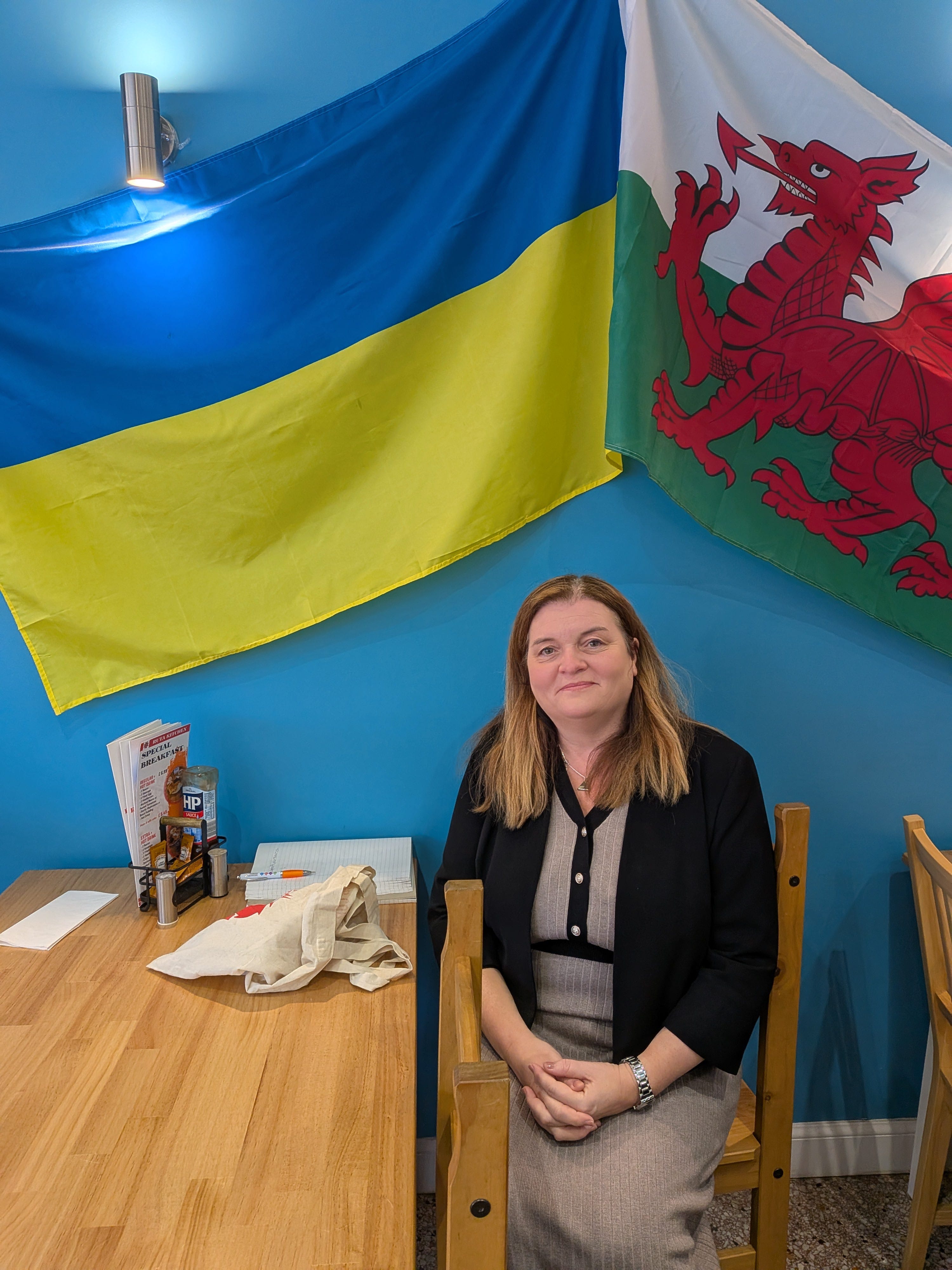
“It got so bad we had to report stuff to the police,” she continued. The police were made aware, but asked what they could do if it was coming from an anonymous account. Williams received security advice from the Senedd, taking on board suggestions to learn self defence and carry a panic alarm.
Like Bishop, Williams said that while her male counterparts do get abuse regarding ideology, she receives a different, personal abuse regarding her appearance which is “derogatory and misogynistic.”
“You’ve got to have thick skin as politician, but it’s gone beyond that now,” she said.
To protect herself, Williams has noticed she “self-censors” more, which “isn’t good for a politician because you’re there to give a view.” She’s considered cancelling community surgeries, as the threats had become so severe.
“We’ve been trying to encourage people to stand – keen to get women to stand – and many of them have said ‘no way,’” she said. “It is a barrier. Those that would have lots to contribute are afraid to put their heads above the parapet. It’s definitely a danger to democracy.”
Williams herself has asked herself: “Do I really want to stand again? Do I want to put myself through this?”
Dawn Bowden, Member of the Senedd for Merthyr Tydfil and Rhymney, said that bullying and harassment was the main reason she left X: “The platform became increasingly toxic,” she told The Valleys Lead. “I think that was a combination of a lack of controls, or any effective moderation within the platform, coupled with ever more aggressive comments from other users.”
From personal conversations with other female politicians, she said women are targeted and patronised most when they express an opinion. “Over the last decade I fear that politics has become more polarised and social media a place that seems to encourage rage as part of a ‘click bait’ culture,” she said.
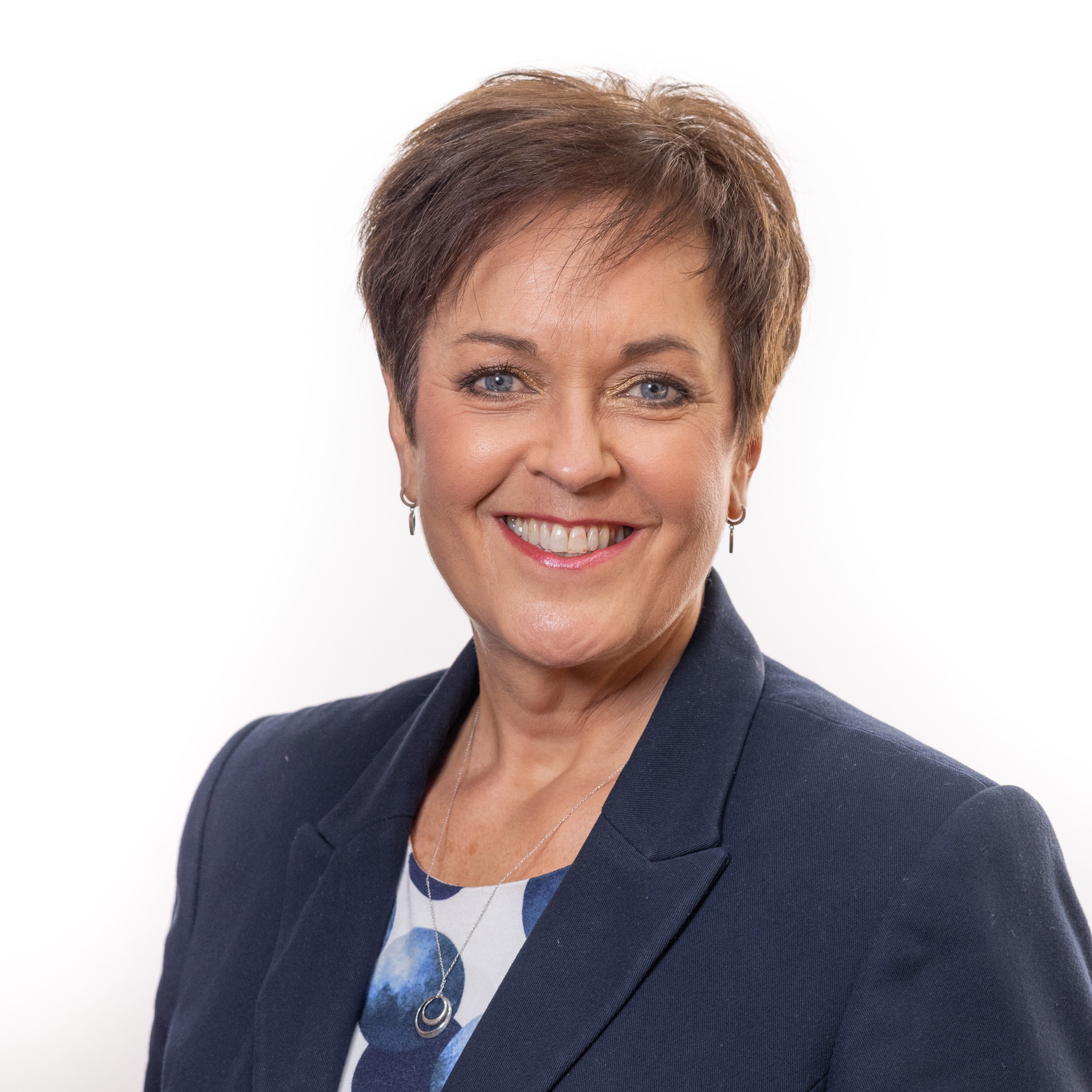
Williams would like if anonymous accounts were tightened up – that if you’re going to say something, your name is put to it.
“But that’s in the UK Government’s hands,” she said. “We know regulation of social media is not what it should be.”
Bishop is turning her attention to raising awareness about online bullying amongst young people. “If I can’t escape this as a grown woman, how are children coping with this in school? I’m raising awareness among adults because we don’t realise how bad it can get, but now I can.”
She hopes for support networks for women politicians in the valleys, so people know they aren’t alone. “We can’t be isolated by bullies, because that is when they win,” she said.
Bowden feels the same: “I find that in creating groups like a women’s caucus it can allow experiences to be shared and mutual support to be offered,” she concluded. “Women and girls must not be silenced in politics, or everyone will lose in the end.”