


Hello and welcome back to The Valleys Lead.
For Abertillery commuter Bruno Maciel, a daily journey to Bristol means a 5am start and travel costs of up to £30. All the while, campaigners have spent 20 years pushing for a railway line they believe could transform the town’s future. With political support growing but funding withdrawn and estimates of the project’s cost varying sharply, the question remains whether Abertillery will finally be reconnected to the rail network.
The story is below - but just quickly - we’d love you to support The Valleys Lead.
There isn’t another publication doing what we are in the south Wales valleys - covering stories from all these valleys, going behind the headlines to report on stories that matter to locals, asking questions of people in power, and speaking with real people in the valleys about their opinions and experiences.
This kind of journalism takes time and effort, and we’d love your support to keep reporting about stories that need to be heard.
You can support us by simply subscribing via free and paid options. You’ll get to read two newsletters a week from us. Each edition has three very brief news updates from the south Wales valleys, and a slightly longer-length story.
Simply type your email and that’s done! Or email laurencrosbymedlicott@gmail.com and she’ll get you signed up.
We also always want to hear what is happening in your valley, your town, your village (seriously! no story is too small). Please email laurencrosbymedlicott@gmail.com with anything you feel we should cover.
The Valleys Briefing
(A little round-up of some stories in brief from our valleys. Anytime you have something you’d like to share, no matter how big or small, email laurencrosbymedlicott@gmail.com):
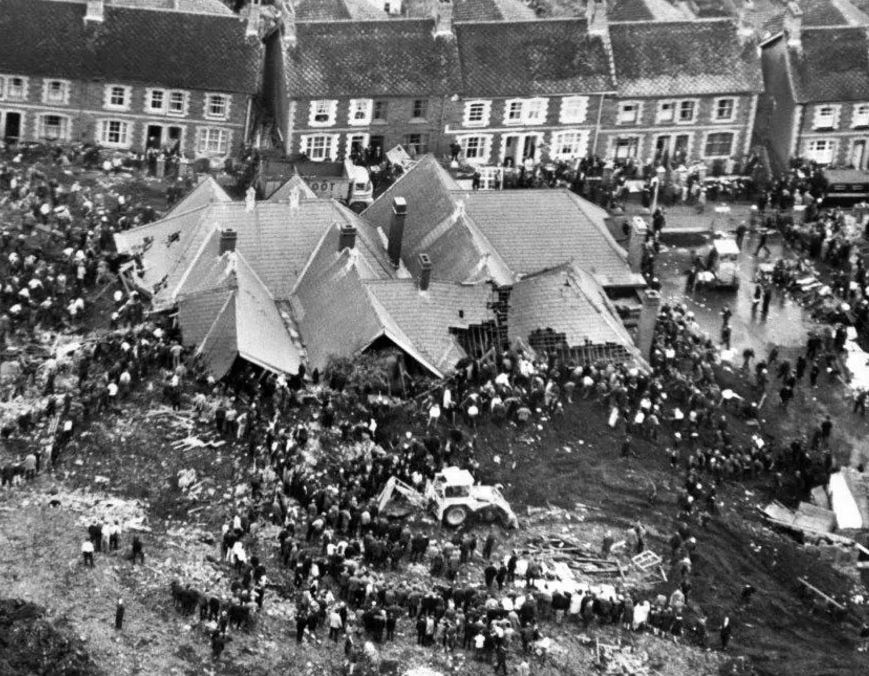
60 years ago, on 21 October 1966, 144 people - including 116 children - tragically lost their lives when a spoil tip slid down a mountain, engulfing Pantglas School in Aberfan and some of the surrounding houses. This year, to mark the 60th anniversary of the disaster, a series of commemorative events have been organised for those wishing to pay their respects and remember the lives that were lost that day. Please find a list of these events here.
Plaid Cymru councillors have condemned a decision by Labour-run Caerphilly not to reinstate school buses for children that were cut last month.
A notice of motion was voted down at a meeting of the authority’s education scrutiny committee 13 October. The Council decision to cut Home To School transport for hundreds of pupils means many have to walk along very busy roads, prompting fears among parents of their children’s safety. Councillor Charlotte Bishop, leader of the Plaid Cymru group, said: “The motion failed to pass during the education scrutiny committee, an absolutely disgraceful decision. It is a sad day for the children and families of Caerphilly. By voting against safeguarding our children on their journeys to and from school, councillors have sent the wrong message to our communities. Every child deserves to travel to school safely, and parents deserve the reassurance that their children’s welfare comes first. This should never have become a political issue, and I am deeply disappointed by the outcome.”
A new 10-year strategy will drive investment in more than 10,700 council homes across the Caerphilly borough, helping to deliver warmer, safer and more energy-efficient homes for tenants. On 14 October, Cabinet unanimously approved the Caerphilly Homes Asset Management Strategy 2026-2036, setting out a clear long-term plan to maintain, improve and future-proof council homes over the next decade. The strategy will support targeted investment in homes where it is needed most, helping to improve energy efficiency, reduce the need for emergency repairs and enhance accessibility for older and disabled residents. It will also play a key role in reducing carbon emissions and ensuring continued compliance with the Welsh Housing Quality Standard. Councillor Shayne Cook, Deputy Leader and Cabinet Member for Housing, said “This strategy is about investing in our homes, our communities and our tenants’ future. By planning ahead and targeting investment where it will have the greatest impact, we can deliver warmer, safer and more sustainable homes that meet the changing needs of our residents.”
“It’s a no-brainer”: The fight to bring trains back to Abertillery
For the past four years, Bruno Maciel, a public sector worker living in Abertillery, has woken at around 5am to catch the 5.40am bus to either Llanhilleth railway station or Newport before travelling to Bristol for work. His daily commute can cost up to £30.
“If there was an active train station in town [Abertillery], even with an hourly service, it would make a world of difference,” Bruno told The Valleys Lead. He believes a rail link would reduce his travel costs and significantly shorten his commute.
He predicts Abertillery could increasingly attract commuters working in Cardiff, around a 45-minute drive away, and Bristol, just over an hour by car, thanks to its lower cost of living. A direct rail connection, he argues, is vital to the town’s future.
Bruno is far from the first to call for Abertillery to be reconnected to the rail network.
Chris Hill, of Abertillery Aspiration, told The Valleys Lead that he and previous campaigners part of a local community group have spent two decades lobbying that the line from Llanhilleth would be extended and Abertillery reconnected to the rail network after the town lost its station back in 1962.
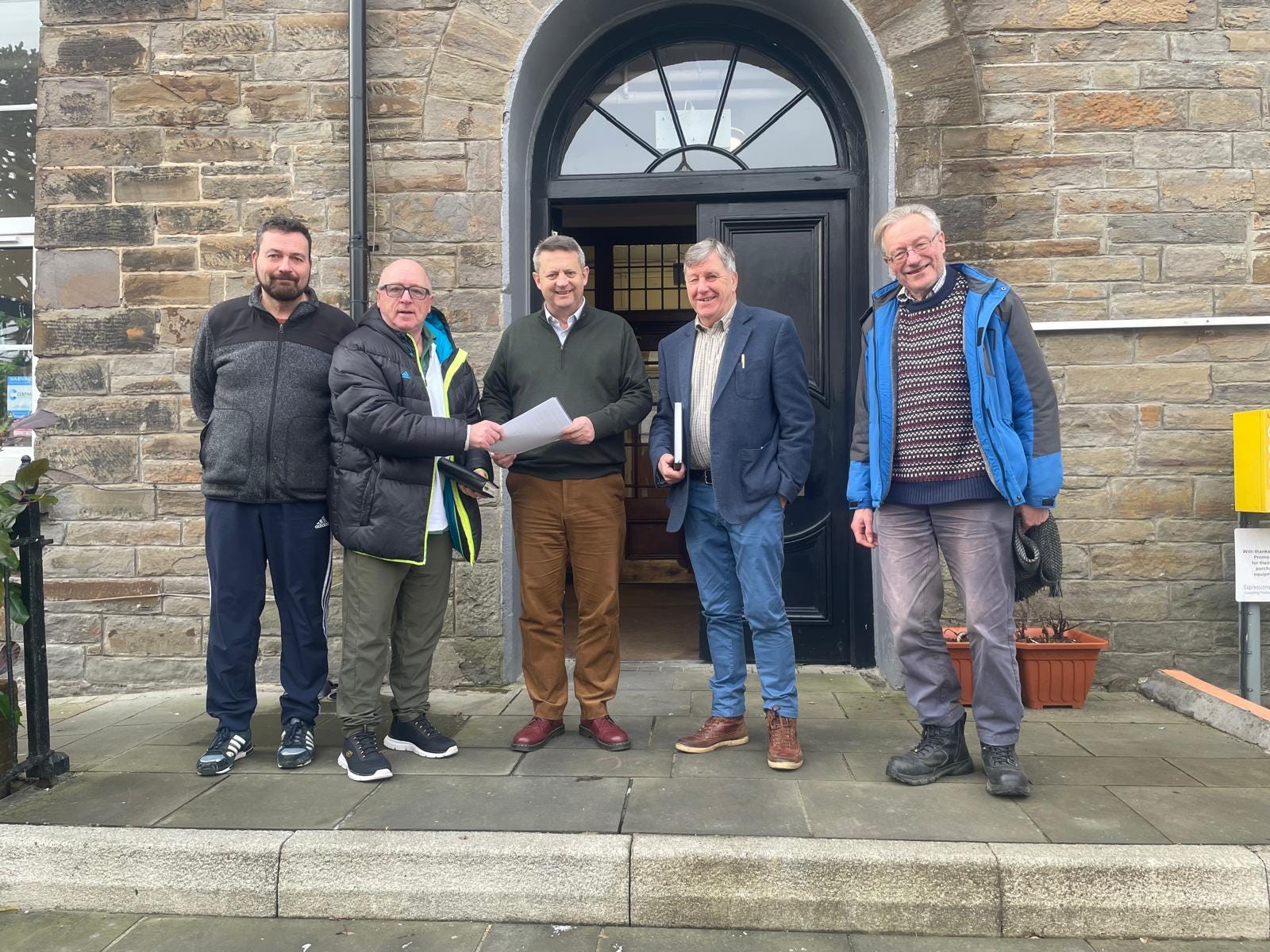
“We’re pushing hard to get it done,” he said.
Hill said the campaign has been driven by a desire to create opportunities for younger generations and reverse decades of economic decline following the closure of the area’s coal mines.
“I want to see more happening in our valley for younger generations,” he said. “We had the coal mines, and when all of that was taken away, nothing was put in its place for our town.”
He believes Abertillery has been overlooked compared with other post-industrial towns in the south Wales valleys, and that restoring the railway could help bring new life to the area.
A rail link would improve access to education, employment, hospital appointments and social and cultural opportunities, he said. It could also attract tourists and reduce road traffic by giving people an alternative to driving.
Hill believes the economic benefits could extend beyond transport. Based on projected annual usage of more than 220,000 journeys and a fare of £8.60, the line could generate approximately £1.89 million in annual fare revenue. Additional spending by passengers could provide a further boost to the local economy.
“It’s a no-brainer,” he said.
Cost remains a key question
Hill cited a previous railway extension in the Ebbw Vale area as a point of comparison. According to his account, a Freedom of Information response from April 2026 put the cost at £11.5 million at the time, which he estimates would be around £15 million today.
However, he said a figure of £90 million had been quoted to him in a response from the Welsh Government, even though the scope of the work would be similar to that of the Ebbw Vale extension. He questioned how that estimate had been calculated and why it differed so significantly from the historical cost he cited. The figures have not been independently verified and may relate to different project scopes.
There are signs of political support for reopening the Abertillery Spur. Plaid Cymru Senedd Members representing Blaenau Gwent, Caerphilly and Rhymney have written to the UK Government to make the case for restoring the line, which they say falls under the responsibility of the UK Government and Network Rail.
Lindsay Whittle told The Valleys Lead that the most recent development came in 2023–24, when Transport for Wales considered bidding for funding through the UK Government’s Restoring Your Railway programme.
